Artists and thinkers are prompting us to not only reconsider our relationship with the natural world, but to foster actual change.
Artists create imagined and otherworldly landscapes in which to reconsider humanity’s relationship with the natural world. Through luminous horizons, abstracted terrains, immersive scenes, and symbolic references to mountains, water, celestial bodies, and exotic creatures, their works invite reflection on our physical, emotional, and psychological connection to nature.
Across contemporary art, many practitioners challenge how we see our place in the natural world by exploring ecology, extinction, and alternative forms of life. Their immersive projects often draw on animal, fungal, and insect intelligence to imagine futures beyond familiar human-centred perspectives.
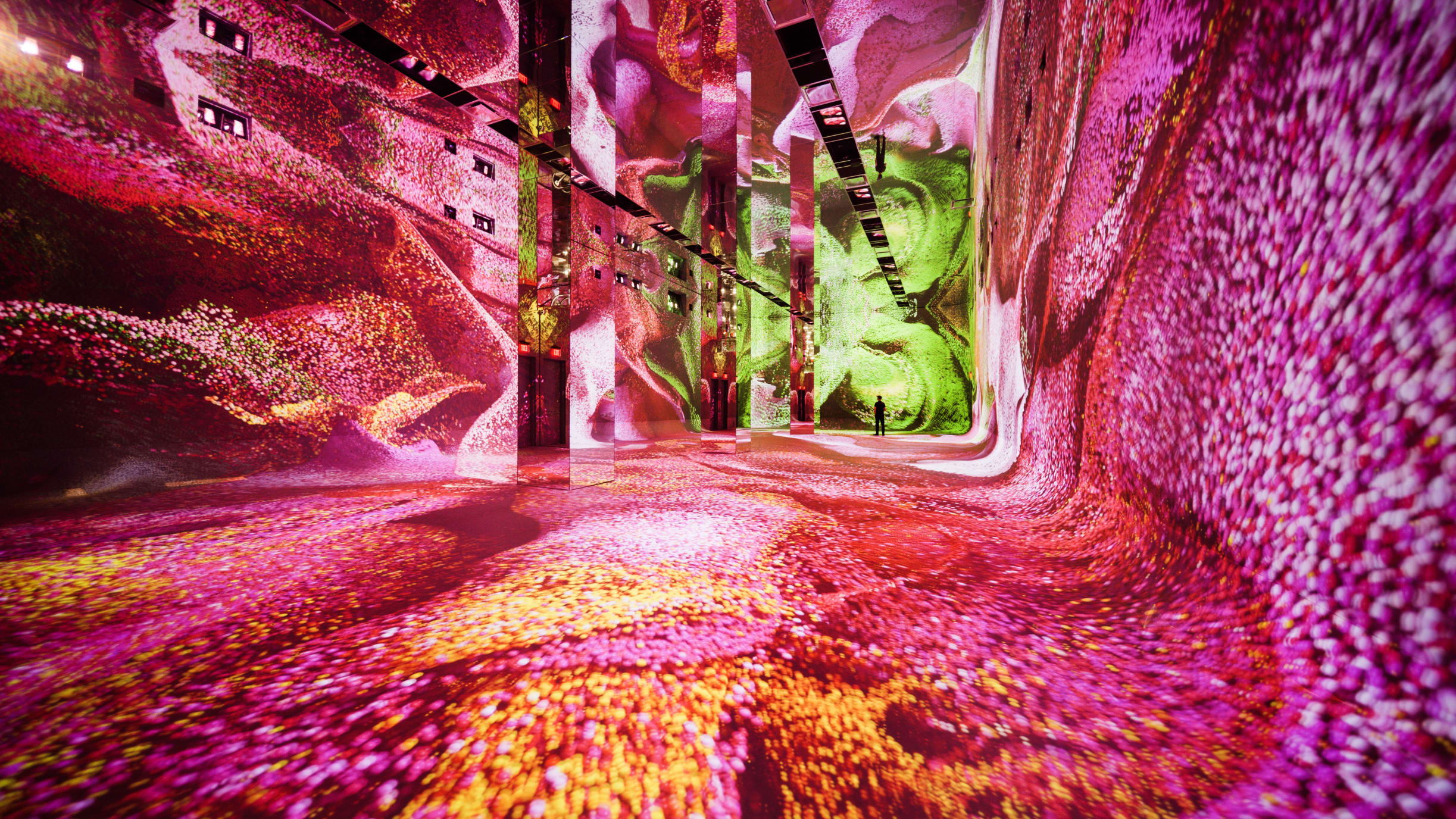
This approach is part of a wider artistic effort to confront the fragility of human existence. From Refik Anadol’s immersive environmental installations based on scientific datasets to John Gerrard’s virtual landscapes examining climate change and industrial impact, artists are asking us to reconsider our relationship with the natural world.
But can art do more than shift our perception, and help us see the world from a more-than-human perspective – one that places us within, rather than apart from, the living systems on which we depend? And can changing how we see the world alter how we act within it?
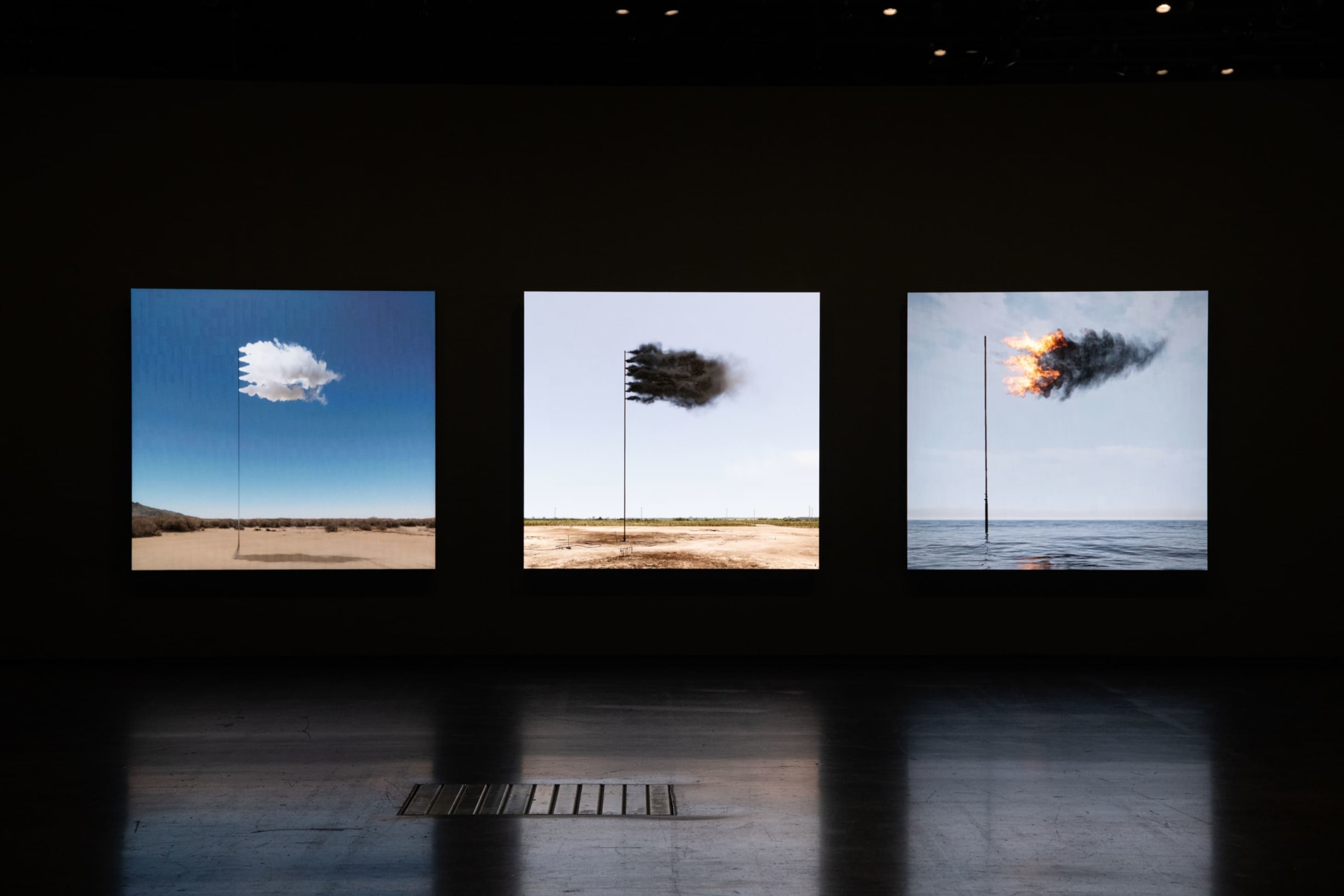
Gerrard, an Irish artist who has long explored the relationship between human activity and the natural world, says a lack of information is not the problem. ‘There’s enough awareness,’ he says, but art can make that knowledge felt. Gerrard describes this as a form of ‘movement,’ the emotional and physical sensation that occurs when an idea hits us differently. His Western Flag (Spindletop Texas) (2017), which depicts a plume of black smoke issuing from a virtual flagpole at the site of the first oil well in Texas, is a potent image of the carbon economy. ‘Artists are super communicators,’ he observes. ‘Getting an artwork to cut through all of the advertising and media clutter is a major achievement.’
Hope is action
However, art itself cannot solve the problem: Gerrard explains that the power of an artwork lies partly in its freedom to be ‘useless,’ to observe, provoke, and imagine possibilities without having to produce an immediate solution. ‘It can do nothing, then everything,’ he says.
Elise van Middelem, a Belgian entrepreneur and creative strategist who moved from contemporary art into global ecology, sees awareness itself as part of the problem. She’s undertaken large-scale interdisciplinary projects, but became frustrated by how rarely exhibitions and conversations led to action. In 2019, she launched SUGi, a project creating pocket forests, planted by local communities, to restore biodiversity and reconnect people with nature.
‘I’m done with awareness,’ van Middelem states. Instead, she wants to give people a way to participate directly in ecological restoration and see the impact for themselves. ‘Doing is not enough; it’s telling the story…Hope is action.’
Designing solutions
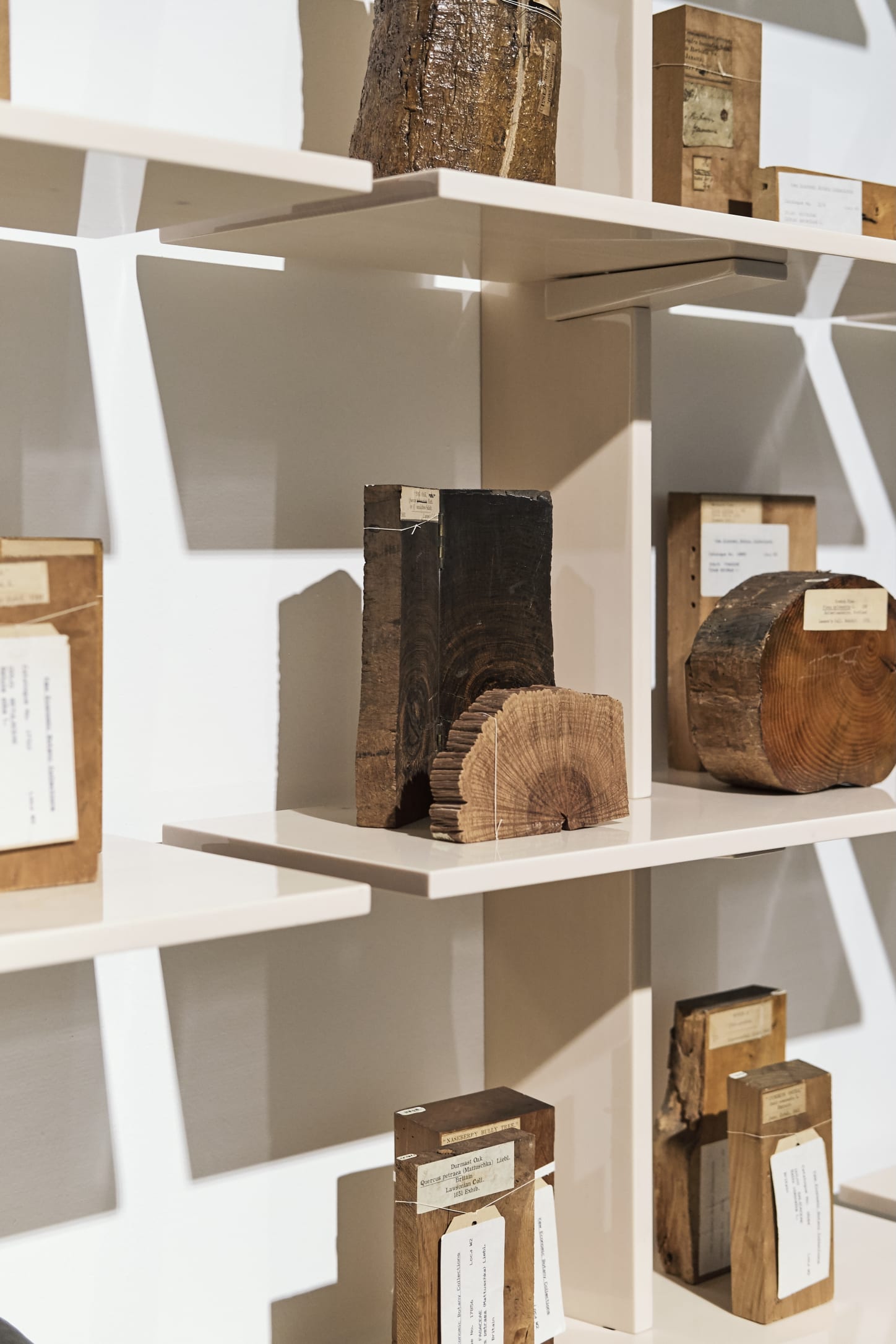
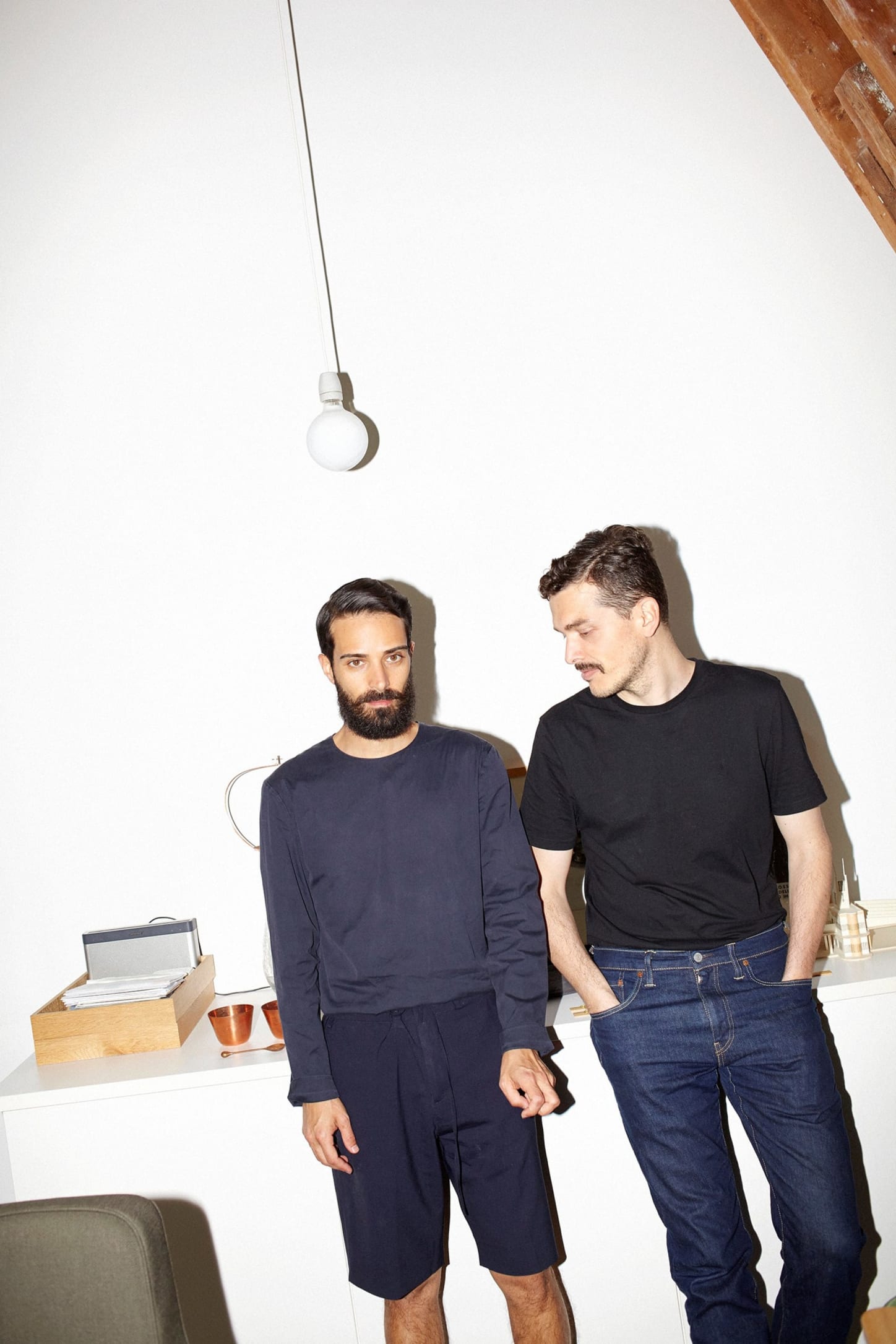
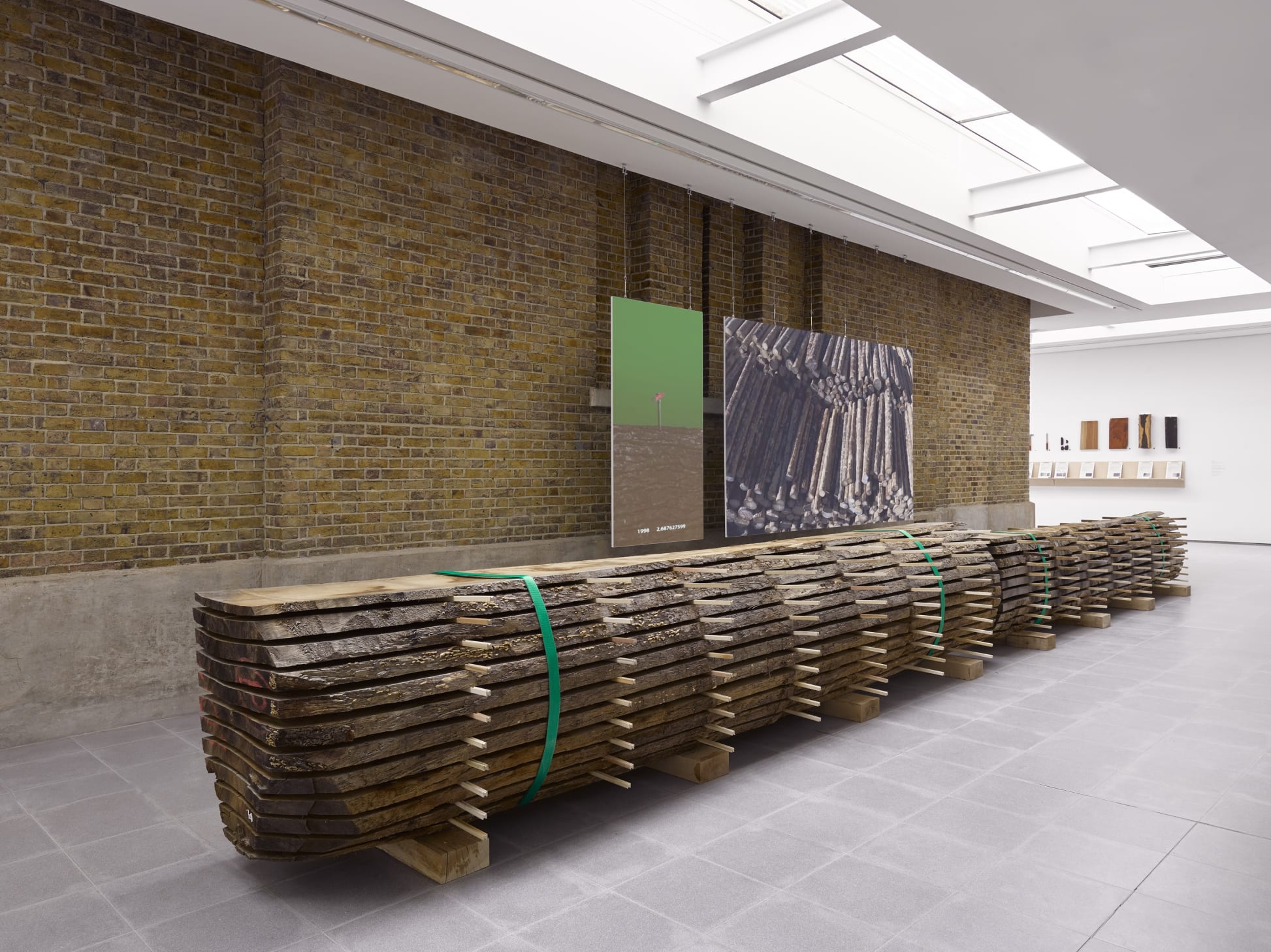
Can a shift in perception change how we make things, too? Simone Farresin of Formafantasma, a Milan-based studio that investigates the ecological forces shaping design, thinks that it can. He explains that design is deeply entangled with industry, which means it can either reinforce existing systems or question how they work. In 2020, Formafantasma—which won gold in the cross disciplinary creator category at the inaugural Art Basel Awards last year—initiated its Cambio project, for which it examined the governance of forests and the industries built around timber. The studio’s research led to a collaboration that same year with Finnish furniture company Artek, examining how the company sourced and used wood.
Rather than proposing a new product, Formafantasma encouraged Artek to make use of more of each tree, including its imperfections. The company also acquired a piece of forest, not to supply its production, but as a place to think differently about forestry and its relationship to the material it uses. ‘Design can be part of the problem, but it can also be part of the solution,’ Farresin concludes.
He sees this kind of thinking as central to ecology, arguing that understanding supply chains is core to the studio’s mission. In his opinion, ‘You have to think about the ecology of a chair, for example, not just the factory where it is produced, but where the material comes from, how it gets there, how it is distributed, and what happens to it afterwards.’
This is the logic behind the ‘more-than-human’ viewpoint. It is about seeing forests, oceans, animals, and plants not simply as resources or scenery, but as interconnected systems with their own forms of agency and value.
The art world must live by example
Art has a particular role to play here because it can help us see and feel our connections to other forms of life and the ecosystems we depend on. Gerrard’s Standard (2023), part of the same series of works as Western Flag, turns that question to the future. This white flag made from water vapor asks what ecological standards we are willing to set, and ‘what we might have to surrender to meet them,’ says Gerrard, who sees that emotional response as a potential catalyst for action. ‘Movement is not just about feeling something,’ he adds. ‘It’s about movement into action.’
But what happens when the art world itself is part of the problem? Alice Bonnot, an independent French curator working at the intersection of art and ecology, argues that the conversation needs to look past what is included in an exhibition, to how that show is actually made and its own environmental footprint. For Bonnot, ‘There’s a difference between art about ecology and an art world that operates ecologically.’
She argues that efforts to close this gap require more than tagging sustainability policies onto existing practices. Instead it means questioning the way the art world operates by asking why exhibitions need to travel so often, why temporary displays generate so much waste, and whether an industry built around constant international travel can ever be truly sustainable.
‘The polycrisis requires us to live by example rather than preach, and to truly align our words with our actions,’ Bonnot says.
Beyond human needs
Bonnot argues that there is an ‘urgent need to move beyond sustainability, towards regenerative art and exhibitions.’ This means thinking about what a show might actively give back.
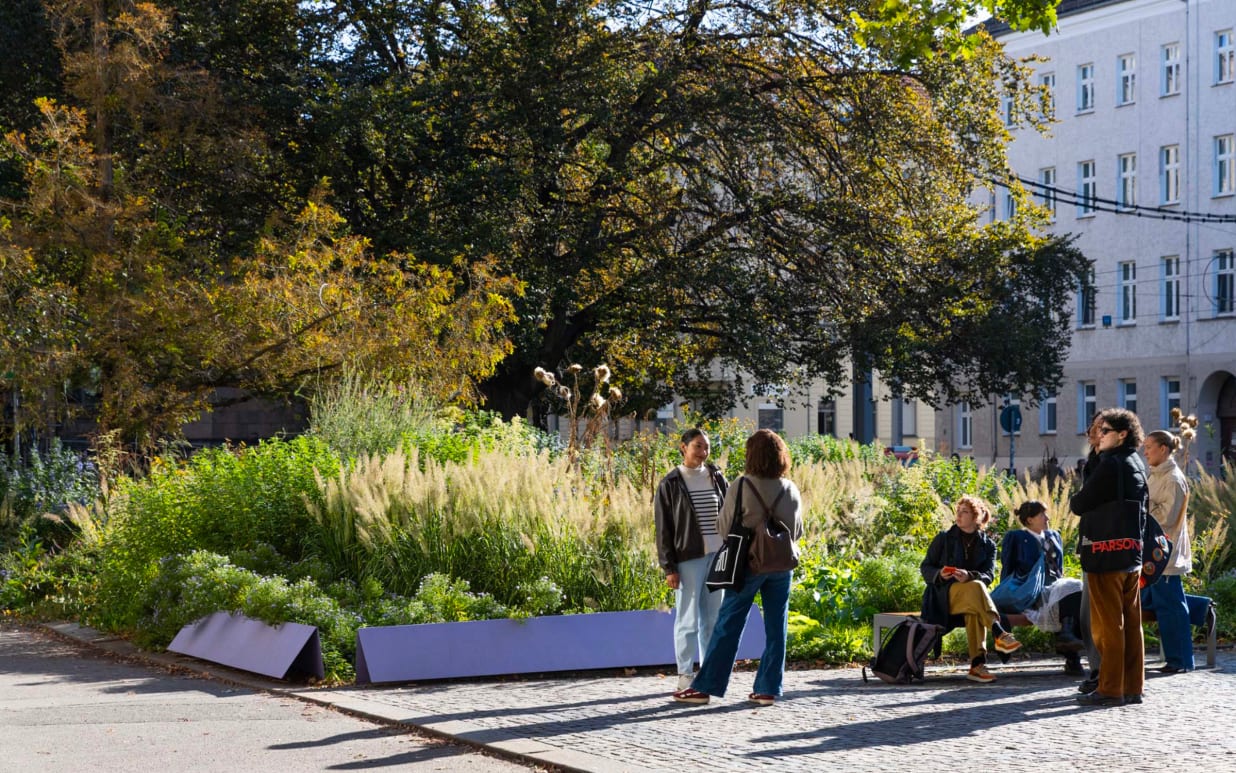
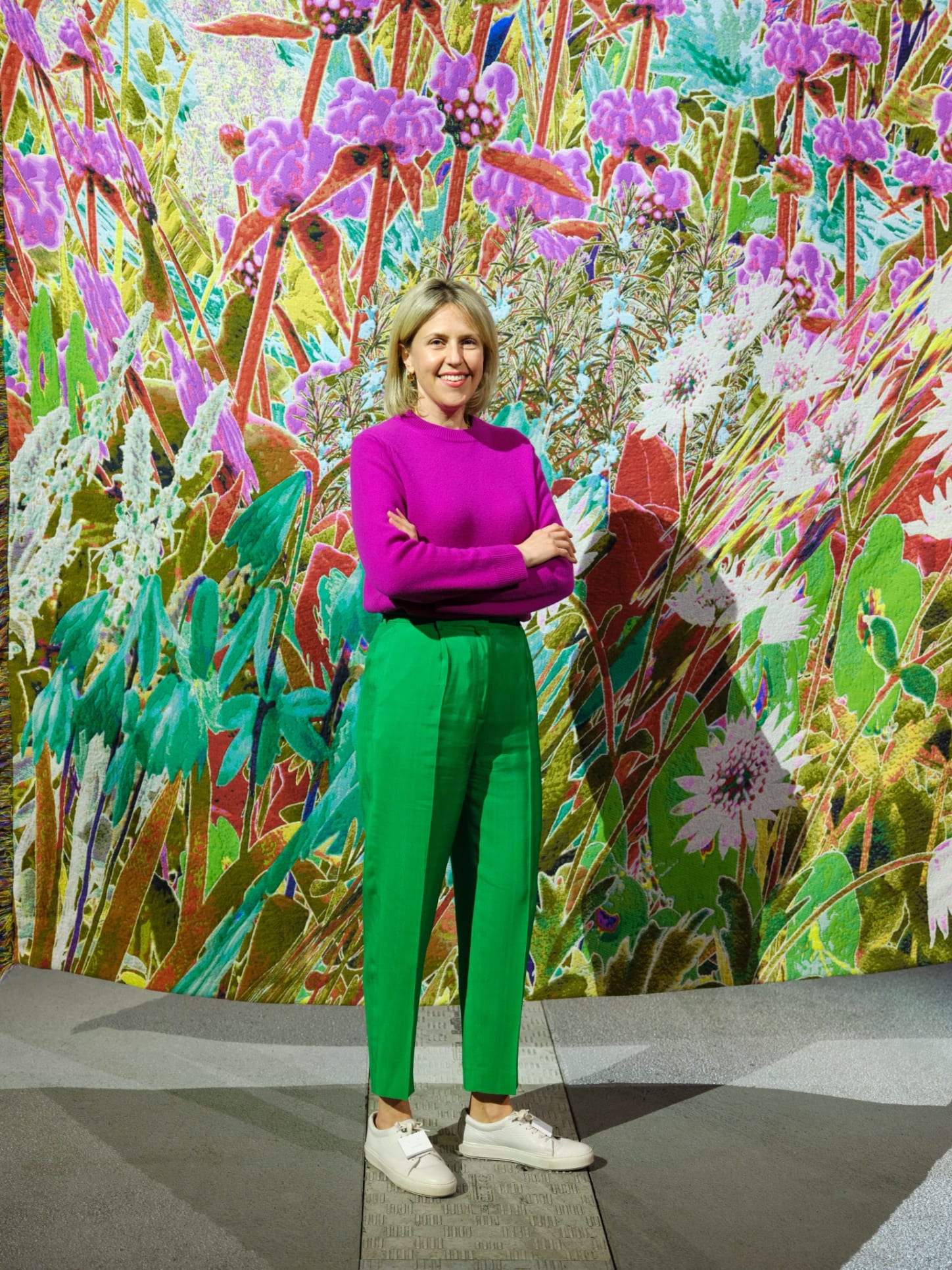
One example is Alexandra Daisy Ginsberg’s ongoing series, Pollinator Pathmaker (2021–), which Bonnot cites as a model for this kind of thinking. Developed with horticulturalists, pollination experts, and a computer scientist, the work uses an algorithm to create planting schemes based on the needs of pollinators. The resulting gardens provide habitats for other species, meaning the artwork is not simply about nature. It actually becomes part of an ecosystem.
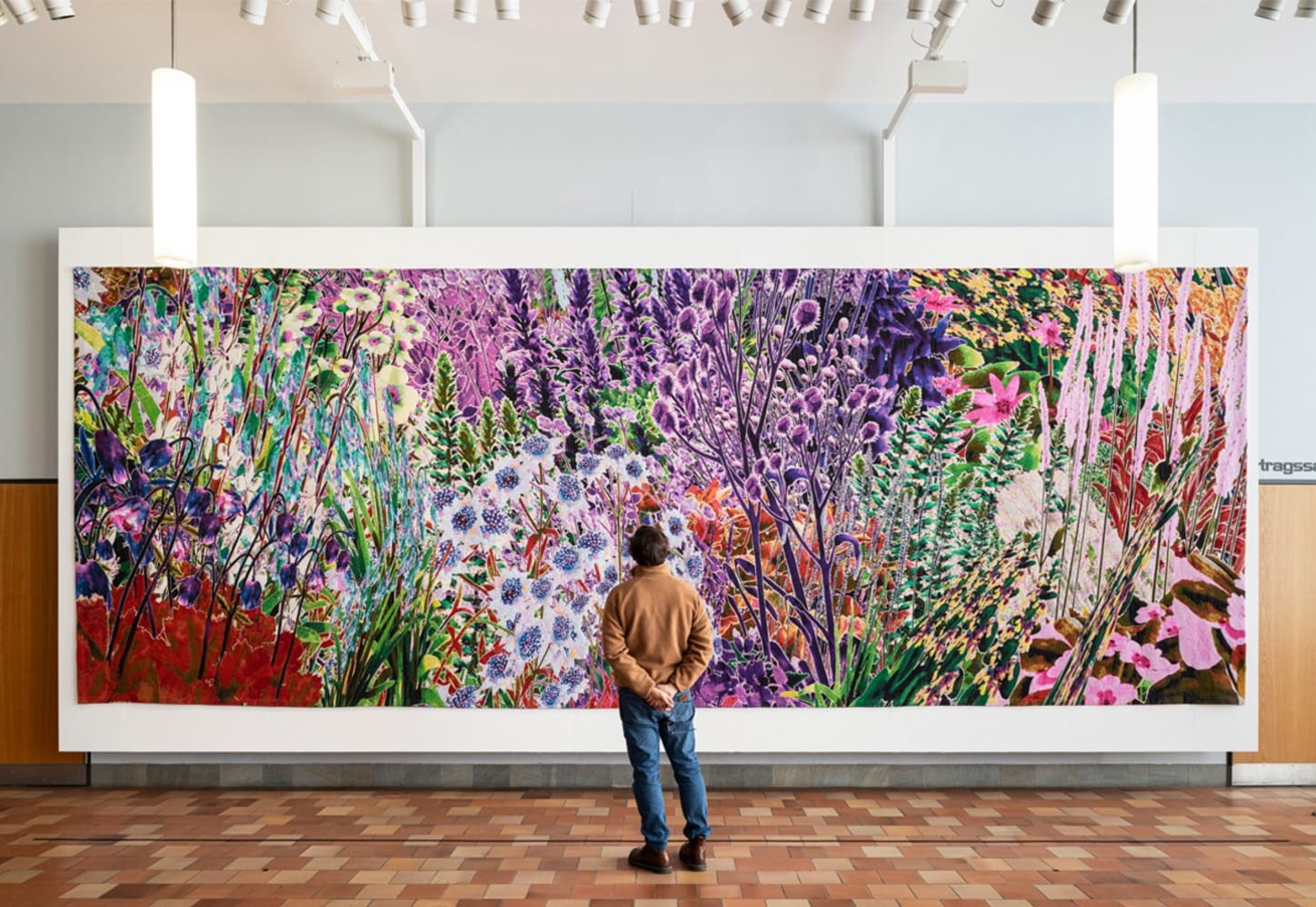
This shift is at the heart of a more-than-human approach to art. It asks us to stop seeing the natural world solely through a human lens and to consider the agency, needs, and interconnectedness of other forms of life. In the context of the climate crisis, modifying our relationship with the living world may be as important as changing the technologies and systems that have damaged it.
The tougher question, however, is what we do with that new perspective. As Bonnot asks: ‘Can art genuinely help us develop a different relationship with the non-human world, or are we asking art to solve a problem that ultimately requires political, economic, and behavioral change?’
– George Nelson is a writer based in London and a contributing editor to The Art Journal. Published courtesy of Art Basel.
Leave a Reply