The closure in January 2016 of one of Pittsburgh’s biggest coal-processing plants led to immediate and lasting declines in emissions of fossil fuel-related air pollutants. These in turn were linked to near-instant decreases in local heart-related emergency department visits and hospitalizations for cardiovascular diseases, a new study shows. The impact of the closure persisted through...
Author: DKS783NLFABV
Mexico’s Native Ethnic Groups Promote Their Heritage During Oaxaca’s Biggest Cultural Festival
Leticia Santiago carries her ancestral heritage wherever she goes. Every time she addresses the crowds during the Guelaguetza, the biggest cultural event in southwestern Mexico, her words, her garments and her skin reveal a clue about the town where she was proudly born. The 35-year-old Mexican was elected as Centéotl goddess in late June, which...
AI as a Leader? a Conversation We Need to Have!
How can an AI become the boss? Already during the COVID-19 pandemic, we have seen how crucial digital technologies have become for leadership. Without Microsoft Teams, Zoom, and related programs, leaders would not have been able to reach their employees easily. These tools continue to enjoy a secured place in the office today. There is...
A New Vision for U.S. Health Care
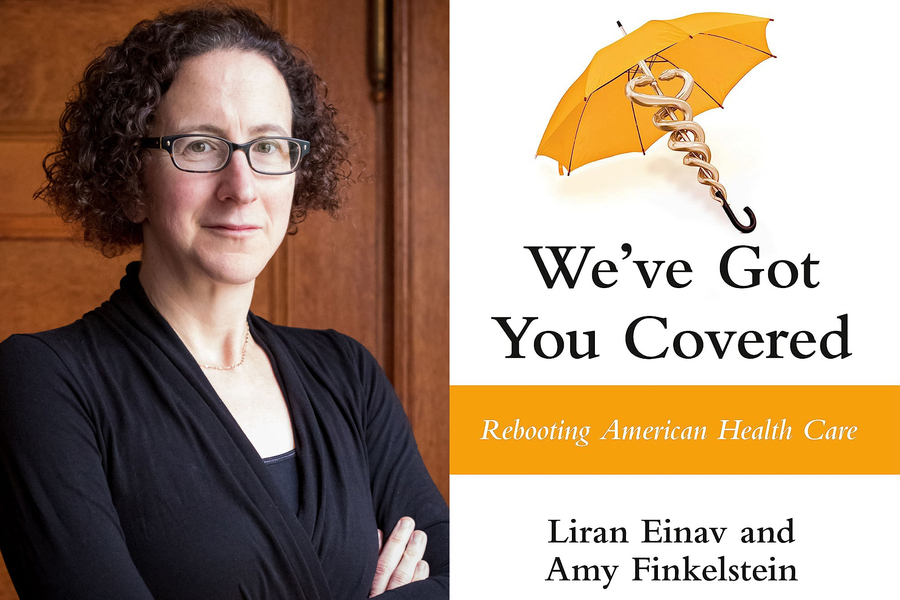
It’s not exactly what he’s best known for, but Alexander Hamilton helped develop the first national, compulsory health insurance policy in the world: a 1798 taxpayer-financed plan Congress approved to cover sick and disabled seamen. “The interests of humanity are concerned in it,” Hamilton wrote. And they still are, as MIT Professor Amy Finkelstein notes...
Mesoamerica: A Model for Modern Metropolises
Jakarta … San Francisco … Shanghai … Phoenix … Houston. These major cities and others around the globe have many similarities, but they share one particular commonality that is concerning for residents. They are among the global cities most affected by climate change. While each of these cities has proven resilient for centuries, urban planners,...
Encouraging Latinx Youth to Embrace Ethnic Pride Can Enhance Their Well-Being
Encouraging Latinx adolescents of Mexican origin to embrace their ethnic pride, cultural values, and connections to their cultural community contributes to positive development and better adjustment during adolescence, a new University of California, Davis, psychology study suggests. Moreover, researchers said, cultural preservation can help Latinx youth cope with adverse life experiences and social threats such...
Men Vastly Outnumber Women in Studying Legislative Politics
It’s no secret that men outnumber women in the halls of Congress and in other political arenas, but new research from Rice University, the University of Wisconsin-Madison and the University of Illinois Urbana-Champaign also found that significantly more men than women study the legislative process in the U.S. and abroad. This has troubling implications for...
All About the Benjamins: Researchers Decipher the Secrets of Benjamin Franklin’s Paper Money
Benjamin Franklin may be best known as the creator of bifocals and the lightning rod, but a group of University of Notre Dame researchers suggest he should also be known for his innovative ways of making (literal) money. During his career, Franklin printed nearly 2,500,000 money notes for the American Colonies using what the researchers...
Positive Contact with Diverse Groups Can Reduce Belief in Conspiracy Theories About Them
New research has shown that having positive contact with people from diverse groups can reduce the development of harmful intergroup conspiracy beliefs. Experts from the University of Nottingham’s School of Psychology, in collaboration with the University of East Anglia, found that among British participants, positive intergroup contact interfered with the development of conspiracy theories about...
In Determining What’s True, Americans Consider the Intentions of the Information Source
Putting truth to the test in the “post-truth era”, Boston College psychologists conducted experiments that show when Americans decide whether a claim of fact should qualify as true or false, they consider the intentions of the information source, the team reported recently in Nature’s Scientific Reports. That confidence is based on what individuals think the source...