
A new study in Public Opinion Quarterly shows that moral arguments appealing to care and fairness can persuade both liberals and conservatives in the United States. By contrast, arguments grounded in the “binding” moral foundations – loyalty, authority and sanctity – primarily influence conservatives. In the study, conducted by researchers at Stockholm University, Mälardalen University, and the...
Perspectives
What 38 Million Obituaries Reveal About How Americans Define a ‘Life Well Lived’
Obituaries preserve what families most want remembered about the people they cherish most. Across time, they also reveal the values each era chose to honor. In a study published in the journal Proceedings of the National Academy of Sciences, we analyzed 38 million obituaries of Americans published from 1998 to 2024. We identified the values...
Pharaohs in Dixieland – How 19th-Century America Reimagined Egypt to Justify Racism and Slavery
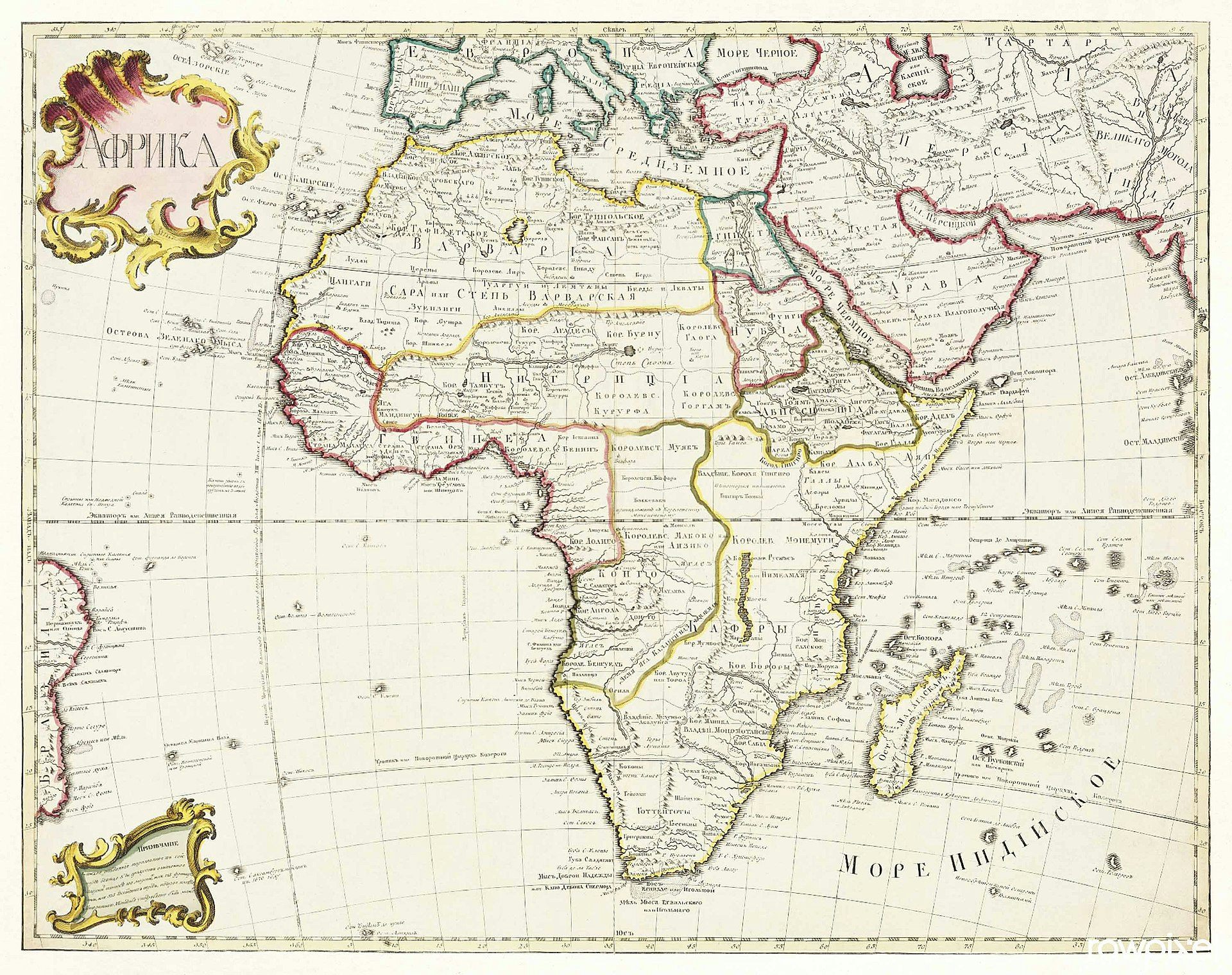
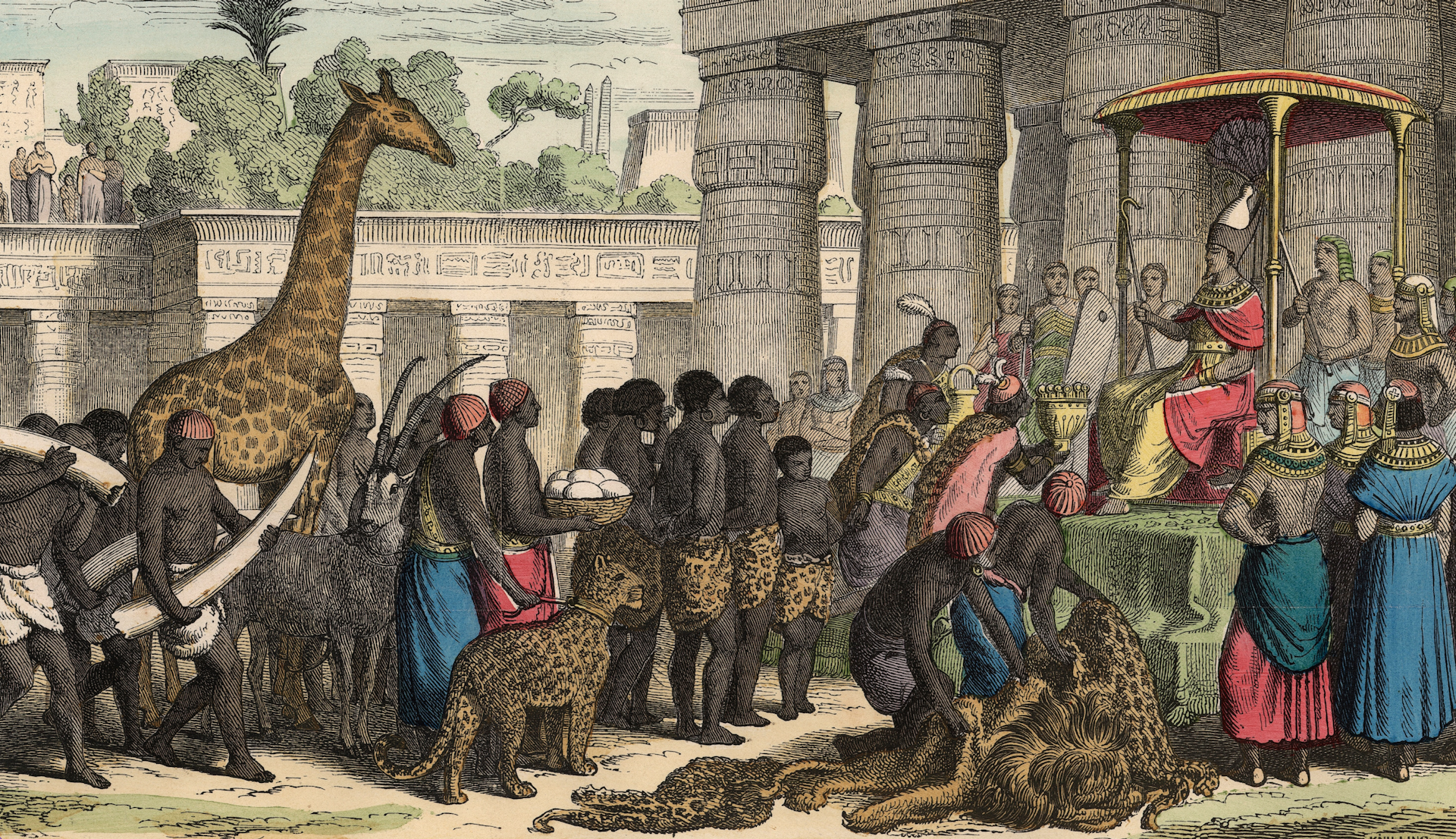
When Napoleon embarked upon a military expedition into Egypt in 1798, he brought with him a team of scholars, scientists and artists. Together, they produced the monumental “Description de l’Égypte,” a massive, multivolume work about Egyptian geography, history and culture. At the time, the United States was a young nation with big aspirations, and Americans...
Breaking the Code in Network Theory: Who Leads and Who Follows?
Breakthrough reveals not just who’s connected—but who’s leading the pack As summer winds down, many of us in continental Europe are heading back north. The long return journeys from the beaches of southern France, Spain, and Italy once again clog alpine tunnels and Mediterranean coastal routes during the infamous Black Saturday bottlenecks. This annual migration,...
The Psychology of a New Obedience Paradigm
A review of Emilie A. Caspar, “Just Following Orders: Atrocities and the Brain Science of Obedience” (Cambridge University Press, 2024). Why do individuals obey commands to inflict terrible pain or even kill other people, sometimes people they may know personally? Yale psychologist Stanley Milgram’s famous—and controversial—studies in the 1960s suggested the answer lay in “agentic...
Capitalism and Democracy Are Weakening – Reviving the Idea of ‘Calling’ Can Help to Repair Them
Ask someone what a calling is, and they’ll probably say something like “doing work you love.” But as a management professor who has spent two decades researching the history and impact of calling, I’ve found it’s much more than personal fulfillment. The concept of calling has deep roots. In the 1500s, theologian Martin Luther asserted...
Plants Seek Friendly Environments Rather Than Adapt
As jewelflowers spread into California from the desert Southwest over the past couple of million years, they settled in places that felt like home, according to a new study from the University of California, Davis. The work, published July 1 in Proceedings of the National Academy of Sciences, shows that the ability of plants and animals...
The Myth of the 5 A.M. Club: Why Early Isn’t Always Best
There’s a persistent myth in our culture that success and downright virtue belong to the early risers—those “5 a.m. club” members who rise before the sun and conquer their to-do lists while the rest of us are still snoozing. Social media is flooded with images of pre-dawn productivity, and best-selling books tout the virtues of...
Why Resisting Social Pressure Is Harder Than You Think
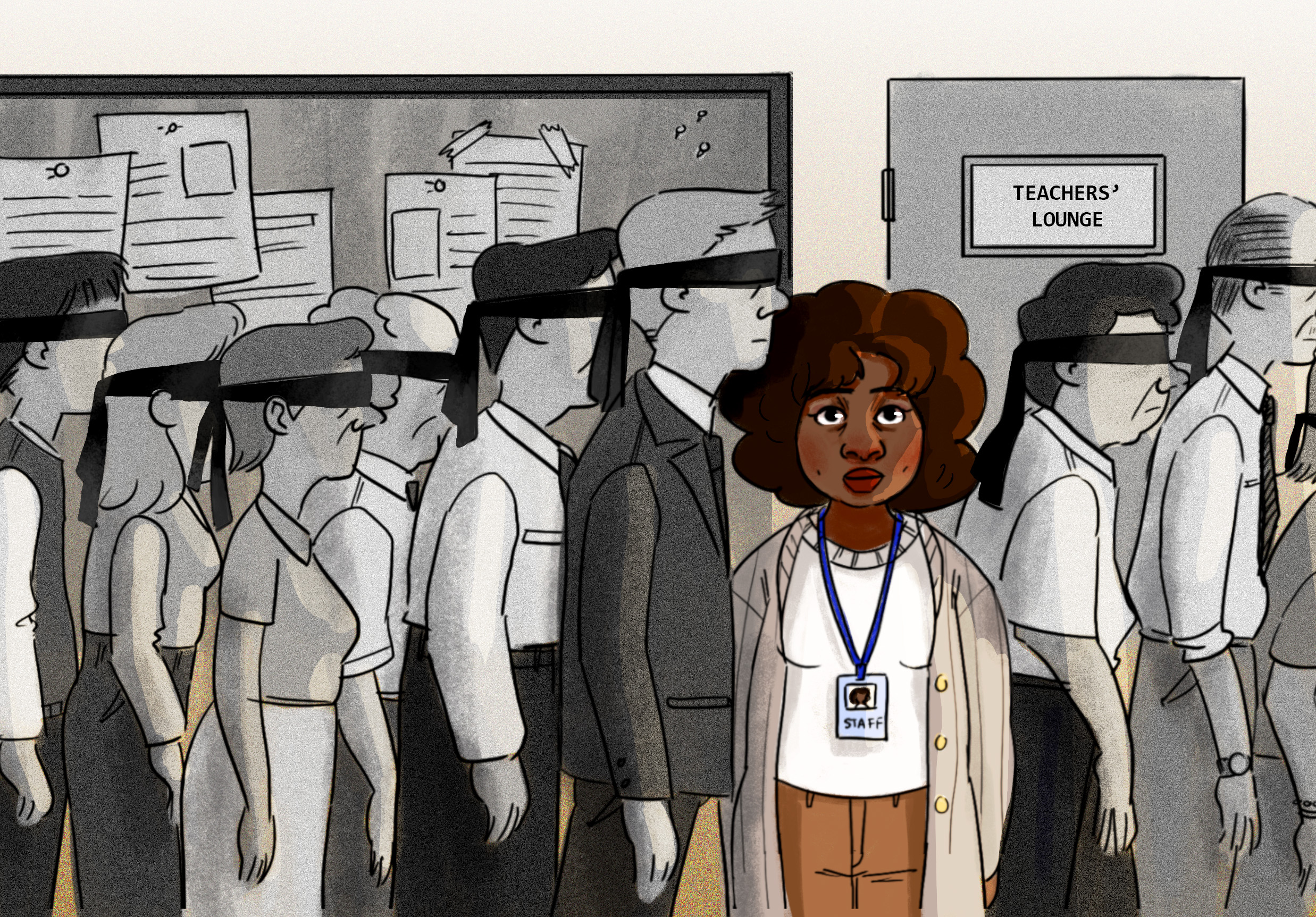
Whether you have a rebellious personality or not, most people imagine they are better at overcoming pressure to violate their own principles than they really are, finds a new study. Researchers found that most individuals think they would be more likely than the average person to disobey an immoral or unlawful order from an authority...
Yale Launches Center for Civic Thought to Promote Thoughtful Discourse
Immediately after the Oct. 7, 2023 attacks on Israel, a group of 10 Yale students from a variety of backgrounds convened on campus to discuss the unthinkable. Brought together by the university’s Civic Thought Initiative (CTI), which encourages open dialogue on difficult issues in small, seminar-style settings, the group included Jewish students with diverging views...