
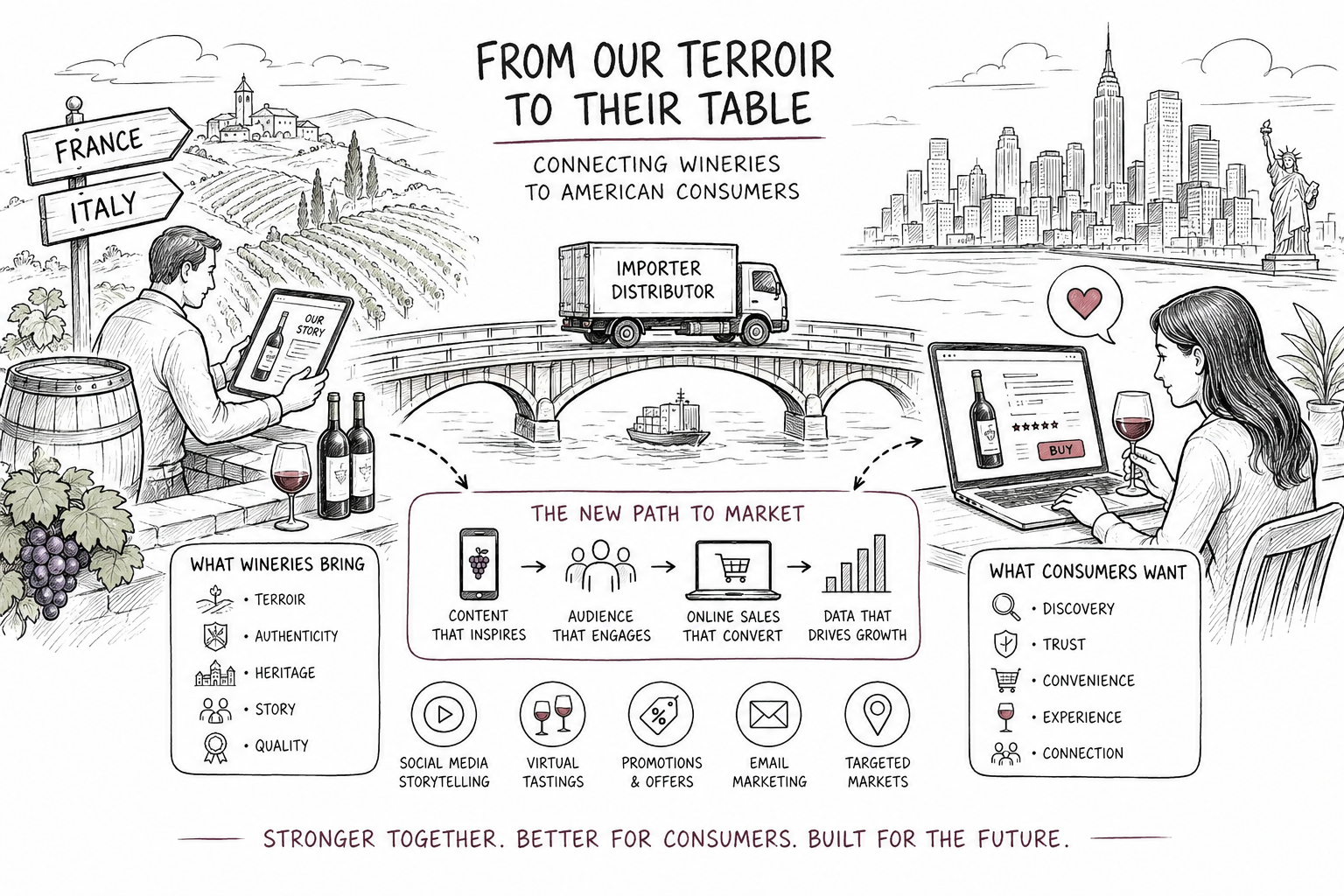
For decades, the path into the American wine market was relatively predictable.
A French or Italian winery found an importer. The importer found distribution. The distributor purchased inventory, put salespeople behind the brand and presented the wines to restaurants and retailers. The producer shipped the wine, supported the occasional market visit or tasting, and waited for the next purchase order.
When the reorder came, the market was working.
That system is not disappearing. But the assumptions behind it are becoming increasingly difficult to sustain.
Americans are drinking less. Wine sales are declining. Younger consumers are approaching alcohol differently than previous generations. Health concerns are influencing consumption. Cannabis, non-alcoholic beverages, ready-to-drink products and other alternatives are competing for occasions that once naturally belonged to wine and spirits. Economic pressure is making consumers more selective about what they buy.
At the same time, the companies responsible for moving wine through the American market are facing pressures of their own.
The result is an uncomfortable but important change for foreign wineries: Getting wine into the United States is no longer the same thing as building a market for it. And increasingly, producers cannot afford to wait for someone else to create that market.

America Is Drinking Differently
The numbers are difficult to ignore. IWSR reported that total U.S. beverage alcohol volume declined 5% in 2025. Wine volume fell 6%, while spirits declined 4%. The weakness was not confined to a single category or price point. It reflected a broader reset in how Americans are consuming beverage alcohol.
Gallup found something perhaps even more consequential. In 2025, only 54% of American adults said they drink alcohol—the lowest percentage Gallup had recorded in nearly nine decades of measurement. At the same time, a record 53% said they believe moderate alcohol consumption is bad for one’s health.
There is no single explanation. Cost matters. Health matters. Generational change matters. Cannabis probably matters too, although perhaps not as neatly as some headlines suggest. Gallup has documented a substantial increase in marijuana use among younger adults and has noted the possibility that cannabis is replacing alcohol for some consumers.
But focusing entirely on cannabis misses the larger story. The American consumer simply has more choices.
Wine once occupied certain social occasions almost by default. Today, depending on the consumer, a bottle of wine may be competing with tequila, a canned cocktail, a THC beverage, a non-alcoholic product—or the decision not to drink at all.
Yet Americans have not stopped drinking altogether, and the categories that are succeeding provide some clues about what consumers now want. Spirits-based ready-to-drink products grew approximately 14% by volume in the United States in 2025. Prosecco grew approximately 3%. IWSR also reported growth at the super-premium level despite contraction in the broader market.
Consumers are becoming more selective, but selectivity can create opportunity. Products with a clear identity, an understandable proposition, a compelling story or a strong connection to an occasion can still win. For European wine, that distinction is critical.
Then Came RNDC
If declining consumption tells one side of the story, the turmoil in American distribution tells the other.
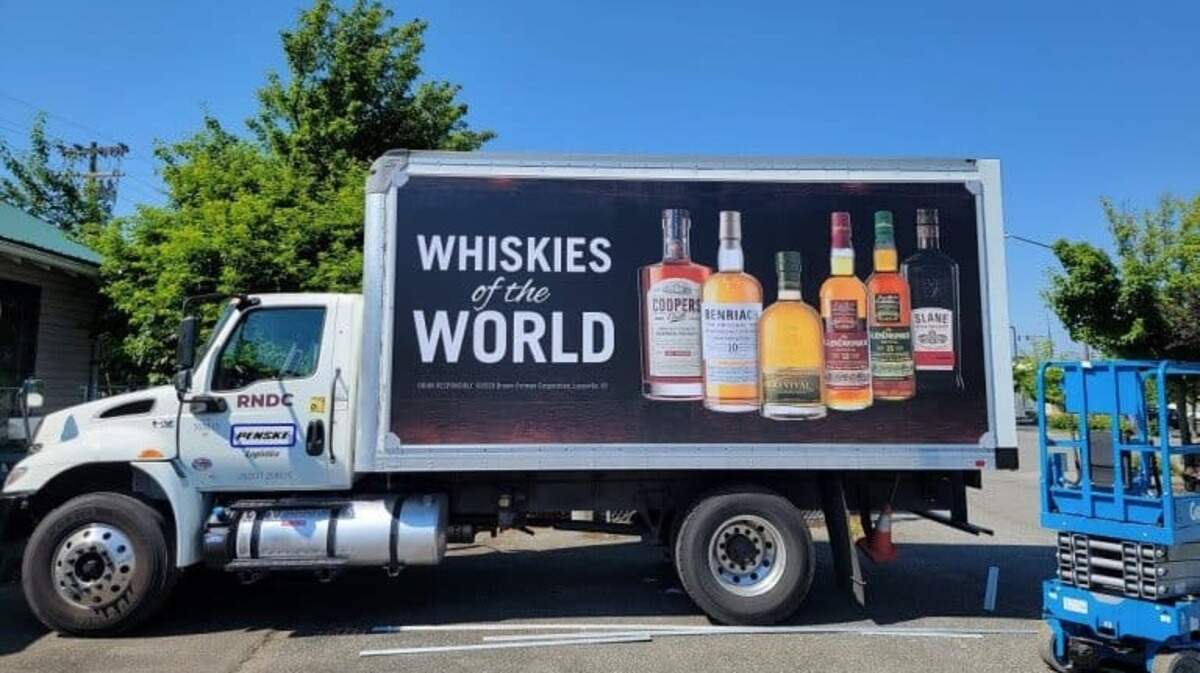
In July 2026, Republic National Distributing Company entered Chapter 11 proceedings to pursue sales of parts of its business and an orderly wind-down of remaining operations. RNDC had been one of the largest wine and spirits distributors in the country. In its announcement, the company pointed directly to changing consumer preferences and an increasingly difficult wholesale environment.
RNDC’s particular problems belong to RNDC. It would be a mistake to suggest that every American distributor faces the same circumstances. But the event should still make producers think.
Imagine the traditional model from the distributor’s perspective. A distributor purchases thousands of cases from hundreds of producers. That inventory occupies warehouse space and ties up working capital. Sales representatives then have to persuade retailers and restaurants to purchase it. Those retailers and restaurants, in turn, need consumers to purchase it from them.
When demand is growing, inventory moves and the system replenishes itself. When demand slows, every part of that chain becomes more cautious.
A distributor becomes less enthusiastic about taking 500 cases of an unknown wine. A retailer becomes less interested in trying another unfamiliar label. A salesperson carrying hundreds of SKUs naturally spends more time on products that are already moving. And somewhere in a warehouse, a pallet of perfectly good French or Italian wine waits.
That is the problem producers need to think about. A purchase order is not consumer demand.
The Container Is No Longer the Finish Line
For many foreign producers, success in America has traditionally been measured at the beginning of the sales process: “We shipped 500 cases.” “We opened Texas.” “We appointed a New York distributor.” “We gained 40 accounts.”
These remain meaningful accomplishments. But none necessarily tells us whether Americans are buying the wine.
The more important question is what happens after the container arrives. How quickly is the inventory moving? Who is buying it? Why are they buying it? Are they buying it again? Which cities are responding? Which stories are resonating? Which retailer is actually converting interest into purchases?
Historically, smaller foreign wineries had surprisingly little visibility into these questions. The American consumer was several layers removed from the producer. That distance is beginning to disappear. And the reason is digital.
The Most Important Change May Be Happening on the Consumer’s Phone
It is tempting to reduce ecommerce to a simple question: Are online wine sales growing or declining? The reality is more complicated.
The U.S. winery direct-to-consumer shipping market had a difficult 2025. Sovos ShipCompliant and WineBusiness Analytics reported that shipment volume fell approximately 15% and value declined 6%. So online selling should not be presented as an industry untouched by the wider wine downturn.
Its importance is different. Online commerce changes who can influence the sale.
Consider a small producer on Mount Etna. Under the traditional model, that winery depended heavily on an American importer, distributor representative, retailer or sommelier to explain why Etna matters.
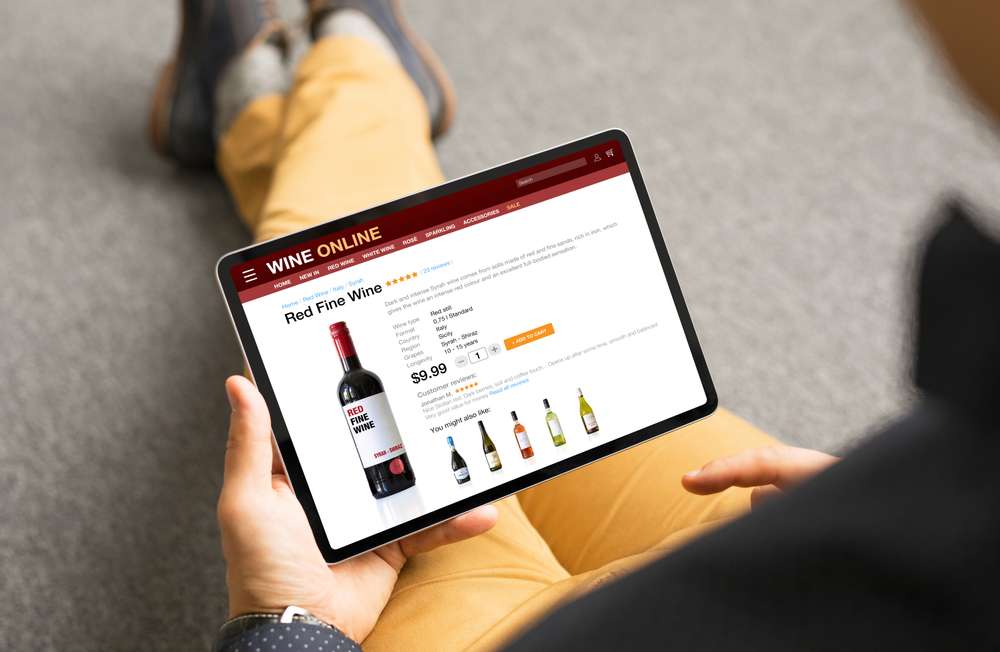
Today, an American consumer can encounter a short video showing the black volcanic soils surrounding the vines. She can watch the winemaker explain Nerello Mascalese. She can learn about the altitude of the vineyard and see the landscape where the wine was made. And, critically, she can then be directed toward a U.S. seller that actually has the bottle.
Discovery, education and purchase can happen within the same digital journey. That gives foreign wineries a commercial capability they have never possessed at this scale before. They can help create their own American demand.

France Has a Storytelling Advantage It Has Barely Begun to Use
This opportunity is particularly interesting for French wine. The United States remained France’s largest wine and spirits export market in 2025, but French wine and spirits exports to the U.S. fell approximately 21% in value to €3 billion during the year amid weaker demand and a difficult trade environment.
France has enormous brand equity in America. But France also has a communication problem.
A knowledgeable wine buyer understands what Chinon means. Or Cahors. Or Morgon. Or Entre-Deux-Mers. Or Corbières. A large portion of American consumers do not.
For decades, the industry relied on sommeliers, merchants, critics and sales representatives to translate those places for consumers. Digital media allows the regions and producers themselves to participate in that translation.
And they have extraordinary material to work with: the village, the vineyard, the soil, the slope, the cellar, the family, the food, the harvest, the local culture and the generations of knowledge accumulated around a particular piece of land.
These are not merely romantic details. They are marketing assets. Terroir can become a customer-acquisition strategy.
Instead of another bottle photograph on Instagram, show an American consumer why limestone matters. Instead of telling them that a wine is from Beaujolais, take them into Morgon. Instead of expecting a consumer to understand the Loire Valley, introduce them to its villages, food, people and grapes.
The product has always contained the story. What has changed is the ability to distribute that story directly to the people who might buy it.
Italy May Have an Even More Natural Digital Advantage
Italy faces similar pressures. Italian wine exports declined in 2025, including a significant decline in the U.S. market, according to Unione Italiana Vini.
Yet few wine-producing countries possess a more natural collection of consumer stories. Italian wine exists inside a much larger American fascination with Italian food, travel, design and lifestyle.
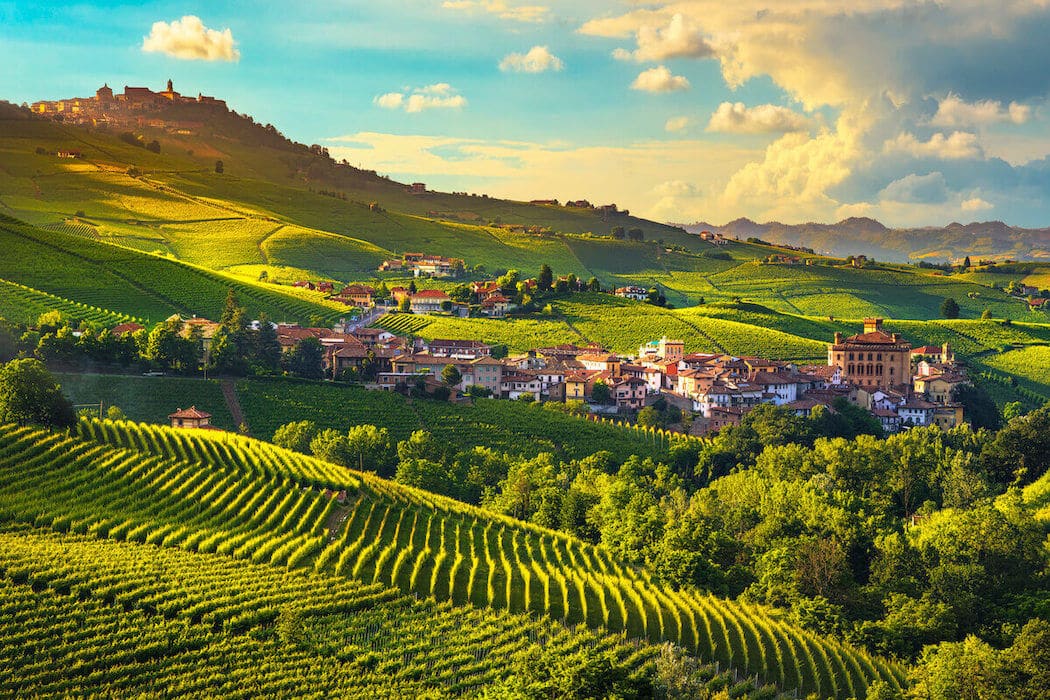
Etna is not simply a wine appellation. It is a volcano, a landscape and a destination. Piedmont is wine, but it is also truffles, hazelnuts, villages and gastronomy. Tuscany needs almost no introduction to American travelers.
Sicily, Alto Adige, Puglia, Franciacorta, Soave and Valpolicella each contain visual and cultural stories far richer than the technical specifications of the wines themselves.
That matters because the next generation of American wine consumers may not begin its journey with a shelf talker in a wine store. It may begin with a 30-second video.
Posting Is Not Marketing
This distinction may be one of the most important for European producers.
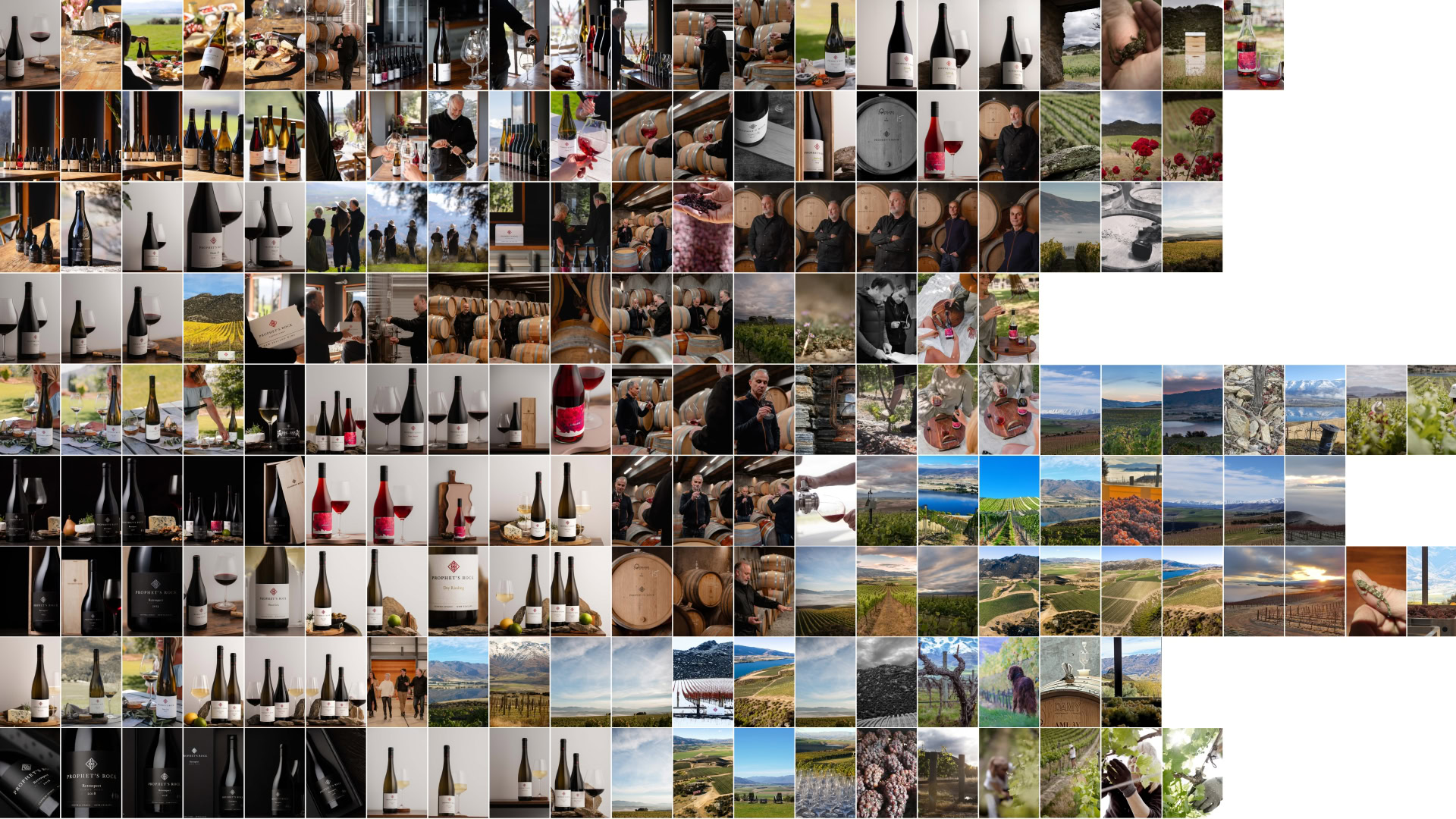
Most wineries already have social media accounts. They post a harvest photograph. A vineyard at sunset. A bottle next to a plate of food. A review. Perhaps a photograph from Vinitaly or Wine Paris. And then they wait for people to see it.
That is publishing. It is not necessarily marketing.
If a winery wants to build sales in the United States, it needs to deliberately place its stories in front of American consumers. A producer with 8,000 followers, most of whom are in France or Italy, does not have a U.S. consumer strategy simply because it posts three times a week.
The opportunity is to take the best content and promote it to appropriate, age-qualified audiences in the markets where the wine is actually available, subject to applicable advertising rules.
If the wine is sitting in New York, why spend the majority of the marketing budget generating attention in markets where consumers cannot readily buy it? Marketing geography should follow inventory geography.
Instead of sending wine into America and then asking how to market it, the marketing plan should exist before the wine arrives.
Every Shipment Should Arrive With a Plan to Sell It
Imagine two French producers approaching an American importer.
The first says: “We would like you to take 600 cases. We have excellent scores, beautiful vineyards and strong European distribution.”
The second says: “We would like to launch 300 cases in New York. We have identified our target consumer. We have six months of English-language content prepared. We have allocated a U.S. digital advertising budget. We want to organize two virtual tastings with a retail partner, build an American email audience and concentrate our marketing within the ZIP codes where consumers can purchase the wine. After 90 days, we want to review the depletion data together and invest behind the campaigns that are producing sales.”
Which producer represents the more attractive inventory risk? That question explains where the market is heading.
The producer does not need to replace the distributor. The producer needs to give the distributor a reason to reorder.
Regional Marketing Could Be Europe’s Great Advantage
There is another possibility that deserves far more attention. Many French and Italian estates are simply too small to build meaningful independent brand awareness across the United States. But they do not necessarily need to.
American consumers often discover European wine by region before producer. They learn Tuscany before they learn a particular Tuscan estate. They learn Champagne before grower Champagne. They discover Burgundy and then begin learning villages and domaines. They become interested in Etna and then discover individual producers.
This creates an opening for collaborative regional marketing.
Imagine eight wineries participating in a campaign around The Volcanic Wines of Etna. Or ten estates presenting The Villages of Beaujolais. Or a group campaign around Bordeaux Beyond the Famous Châteaux.
The producers could share the cost of professionally produced content, U.S. digital advertising, virtual tastings, chef collaborations, regional landing pages and consumer acquisition.
One winery might struggle to justify spending enough to educate thousands of Americans about an unfamiliar appellation. Ten wineries can build an audience around the appellation together.
Sell the place first. Let the consumer discover the producers within it. For France and Italy, this may prove particularly powerful because terroir is not merely part of the product. It is something competitors cannot easily copy.
Virtual Tastings Could Become Commerce, Not Just Education
Virtual wine tastings were widely adopted during the pandemic and then largely treated as a temporary substitute for physical events. That may have been a mistake.
Consider the economics for a small winery in Piedmont. Flying a winemaker to America for a week of market visits is expensive. The number of consumers that person can meet is limited. A virtual event can bring the same producer into homes across a U.S. market—or several markets—without leaving Italy.
More importantly, digital commerce can connect the event to an actual sale. A consumer encounters an advertisement for a Piedmont tasting. She registers. A participating U.S. retailer offers the wines where permitted. The wines arrive before the event. The consumer joins the winemaker live from Italy. Afterward, the retailer follows up with an appropriate offer.
What was once simply a tasting becomes: Discovery → Purchase → Experience → Relationship → Repeat Purchase.
And when several producers participate together, the economics become even more compelling.
The Real Asset Is an American Audience
Perhaps the most consequential change is that wineries can begin building something they historically did not own: an identifiable relationship with American consumers.
An email audience. An engaged U.S. social following. Consumers who attended a tasting. People who watched a winemaker explain the vineyard. Customers who know what the appellation means. People who have purchased the wine and can be encouraged to look for it again.
That audience becomes increasingly valuable over time. A distributor may change. A salesperson may leave. A portfolio may be reorganized. A retailer may stop carrying the wine. But consumer awareness does not automatically disappear when a commercial relationship changes.
For a foreign producer, that changes the economics of investing in the U.S. market. Marketing is no longer simply money spent helping somebody else sell a shipment. Done correctly, it builds an audience that can support future shipments as well.
The Question Is No Longer Whether the Wine Reached America
The U.S. wine market is going through a difficult period. Consumption is declining. Health attitudes are changing. Younger consumers have more alternatives. French and Italian exports have come under pressure. Distributors are becoming more cautious about inventory. Retailers have no shortage of brands competing for shelf space.
That is the bad news. The opportunity is that foreign producers have never had more tools to influence what happens after their wine reaches American shores.
Twenty years ago, a small Loire producer had little ability to explain Cabernet Franc directly to thousands of American consumers. Today it can. A Sicilian winery can introduce Americans to volcanic wine. A Beaujolais producer can take consumers virtually into Morgon. A Tuscan estate can connect its wine with the food, people and landscape surrounding it.
And all of that attention can be directed toward a place where the consumer can actually purchase the bottle.
This does not make importers or distributors less important. It changes what a successful relationship with them looks like.
The future belongs to producers and U.S. partners that stop thinking about marketing, distribution and ecommerce as separate activities. The content should support the inventory. The advertising should support the markets where the wine is available. The tasting should create customers. The ecommerce partner should convert interest into transactions. And the resulting sales information should determine what happens next.
The old question for a foreign winery entering America was: Who will import and distribute our wine? That question still needs an answer. But it is no longer enough.
The more important question is becoming: Once our wine arrives in America, how are we going to help sell it?
For French and Italian producers accustomed to allowing the distribution system to answer that question for them, this may require a significant change in thinking. It may also be one of the biggest opportunities the U.S. market has offered them in years.
Research note
This article draws upon 2025–2026 market reporting and data from IWSR, Gallup, Sovos ShipCompliant/WineBusiness Analytics, the U.S. Alcohol and Tobacco Tax and Trade Bureau, Unione Italiana Vini, RNDC corporate disclosures and industry reporting. Alcohol importation, distribution, ecommerce, advertising, promotion and shipping are subject to federal and state regulation; producers should obtain appropriate legal guidance when developing specific U.S. programs.
– Published courtesy of Londonberry Spirits.

Leave a Reply