
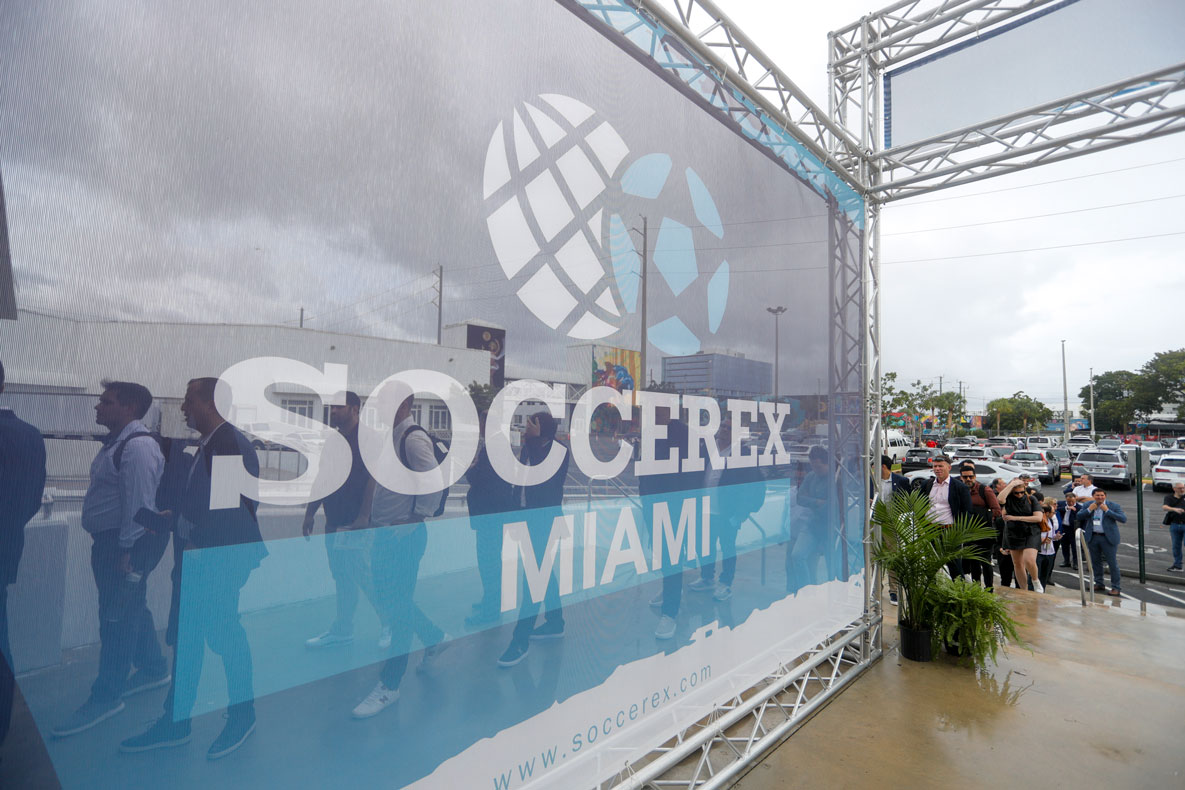
Soccerex marked its 30th anniversary in Miami with conversations about what comes next for soccer in North America, from sustaining post-World Cup momentum to the growing commercial influence of women’s soccer.
Following a transformative summer for soccer in North America, the global soccer industry gathered in Miami this week for Soccerex 2026, turning its attention from the spectacle of the FIFA World Cup toward the longer-term opportunities surrounding the sport.
Held September 23–25, this year’s Soccerex marked the organization’s 30th anniversary, bringing together clubs, leagues, governing bodies, brands, investors, media and technology companies for three days of conversations about the business and future of the game.
The timing gave those discussions particular relevance. After years of anticipation surrounding the 2026 World Cup, the soccer industry in the United States now faces a different question: how to convert heightened interest in the sport into sustained audiences, investment and commercial growth.
“Football is experiencing unprecedented momentum throughout the Americas, creating new opportunities for leagues, clubs, investors, brands and supporters alike,” Soccerex CEO Garrett Navia said ahead of the conference.
Beyond the World Cup
Much of the conversation in Miami centered on how soccer can capitalize on its growing North American audience. Discussions moved from the next decade of Major League Soccer and post-World Cup fan engagement to investment, stadium economics and the changing value of commercial partnerships.
The common thread was sustainability. The World Cup delivered attention on an extraordinary scale, but maintaining that momentum will depend on what happens at the club and league level: attracting investment, improving the matchday experience, developing stronger relationships with supporters and giving commercial partners meaningful ways to participate in the sport.
That challenge is particularly relevant in the United States, where soccer audiences often cross traditional boundaries. A supporter may follow an MLS club while maintaining strong allegiances to Liga MX, a European club and a national team. For leagues, clubs and brands, the opportunity is substantial, but so is the competition for that fan’s attention.
Women’s Soccer Moves Further Into the Business Conversation
One of the more notable elements of Soccerex was the prominence of women’s soccer within the wider commercial discussion.
Programming included conversations around “The Commercial Power of Women’s Football” and the “Road to Brazil 2027,” with executives from the National Women’s Soccer League and European and Latin American clubs participating across the event.
The positioning was significant. Rather than treating the women’s game as a separate or emerging category, conversations increasingly centered on the same questions facing the broader industry: sponsorship, audience development, investment, player development and sustainable growth.
It reflected the rapid evolution of women’s soccer from a story largely about increasing visibility to one increasingly concerned with building the commercial infrastructure capable of supporting that attention.
A Changing Relationship With the Fan
Technology and media provided another recurring thread, particularly as clubs and leagues reconsider how they reach supporters.
The modern soccer audience moves between traditional broadcasts, streaming services, social media, club-produced content and individual players’ digital platforms. Growing the game therefore requires more than putting matches on television; it requires understanding how supporters interact with soccer before, during and long after the final whistle.
The same shift is changing sponsorship.
Brands increasingly want partnerships that extend beyond logo placement and conventional advertising. Experiences, original content and direct interaction with supporters are becoming more important parts of the equation, particularly in a crowded U.S. sports market.
For soccer organizations, that places greater emphasis on understanding their audiences and creating partnerships that feel connected to the supporter experience rather than simply attached to it.
The Conversations Beyond the Stage
Yet some of Soccerex’s value remains in the conversations that never appear on the official program.
Between panels, representatives from clubs and leagues moved alongside investors, agencies, technology companies, media organizations and brands. Those informal encounters remain an important part of an industry in which partnerships frequently begin with an introduction rather than a formal presentation.
Soccerex itself is attempting to extend that role beyond the conference floor. Earlier this year, the organization announced a strategic partnership with global sports marketing agency SPORTFIVE aimed at developing Soccerex into a year-round platform connecting the different sides of the football business.
Thirty years after its founding, that evolution seems appropriate.
Soccerex Miami ultimately reflected an industry entering a new phase in North America. The conversation is no longer primarily about whether soccer can command attention in the United States. This summer demonstrated that it can.
The more consequential question, and the one running through many of the conversations in Miami, is what the industry does with that attention next.
– S&P
Leave a Reply