
A new study indicates that racism is toxic to humans. A team of USC and UCLA scientists found that racist experiences appear to increase inflammation in African American individuals, raising their risk of chronic illness, according to the study published in the journal Psychoneuroendocrinology on April 18. “We know discrimination is linked to health outcomes, but no...
Perspectives
What We Think We Know — but Might Not — Pushes us to Learn More
(Spoiler alert if you haven’t watched the “Game of Thrones” season finale) If you think you know the farm animal most closely related to T-Rex, or the American president who inspired the creation of blue jelly beans — but aren’t entirely sure — you’re more likely to bone up on the chicken-dinosaur connection or Ronald...
How Do We Make Moral Decisions?
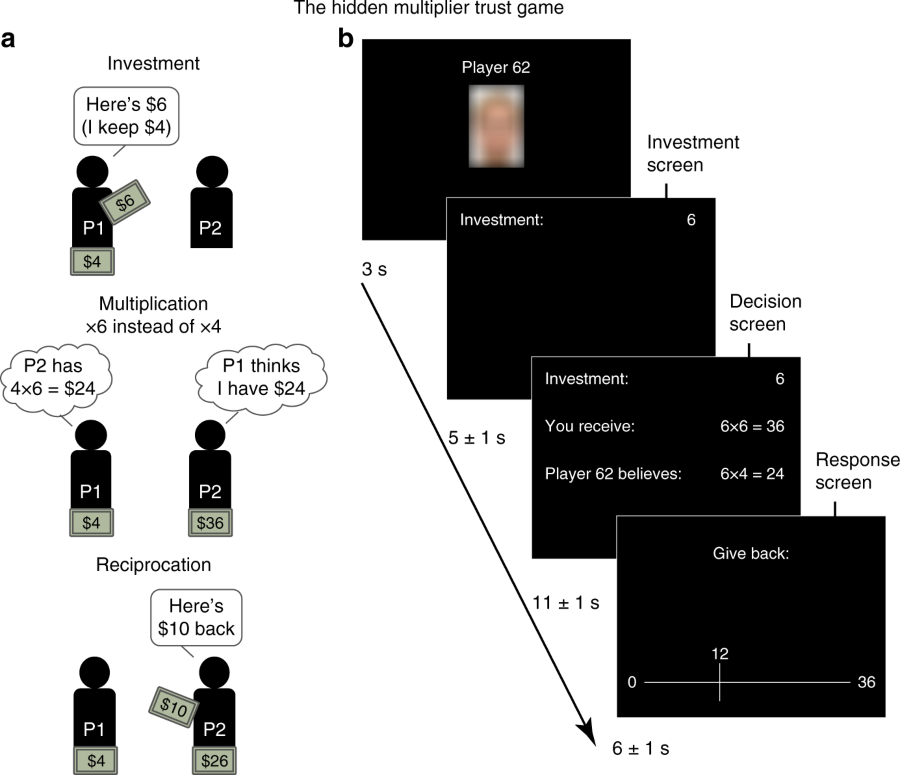
When it comes to making moral decisions, we often think of the golden rule: do unto others as you would have them do unto you. Yet, why we make such decisions has been widely debated. Are we motivated by feelings of guilt, where we don’t want to feel bad for letting the other person down?...
Intentions Attributed to Other People Change How We See Their Actions
Have you ever noticed how easily people can see the meaning in other’s behaviour? We seem to intuitively know why our child drags us towards the shop window, why our friend steers clear of the spider, or why our partner hands us a drink after a workout. Sometimes, however, this tendency leads us to cling...
Does ‘Pay-To-Play’ Put Sports, Extracurricular Activities Out of Reach for Some Students?
From choir and cheerleading to soccer and student council, extracurricular school activities keep students engaged – but cost may be among barriers that prevent some children from participating, a new national poll suggests. Eighteen percent of middle and high school-age children are not involved in any extracurricular activities this school year, according to the C.S....
Savoring … It’s Not Just for Dinner
Most of us know what it’s like to savor a decadent slice of chocolate cake or a glass of our favorite wine. But savoring is a concept that goes far beyond our taste buds. While the word “savor” is often used in the context of food, we can also savor important experiences, moments or even...
Can a Critic-Turned-Believer Sway Others? the Case of Genetically Modified Foods
What happens when a strong advocate for one side of a controversial issue in science publicly announces that he or she now believes the opposite? Does the message affect the views of those who witness it — and if so, how? Although past research suggests that such “conversion messages” may be an effective persuasion technique,...
What Does ‘Dead’ Mean?
Should death be defined in strictly biological terms — as the body’s failure to maintain integrated functioning of respiration, blood circulation, and neurological activity? Should death be declared on the basis of severe neurological injury even when biological functions remain intact? Or is it essentially a social construct that should be defined in different ways?...
Our Social Judgments Reveal a Tension Between Morals and Statistics
People make statistically-informed judgments about who is more likely to hold particular professions even though they criticize others for the same behavior, according to findings published in Psychological Science, a journal of the Association for Psychological Science. “People don’t like it when someone uses group averages to make judgments about individuals from different social groups who are otherwise...
Love ‘Em or Leave ‘Em? Tourists in Our World
Much of the world’s population has taken turns being tourists and encountering tourists in their home districts. Those of us who live in popular American major cities such as New York, San Francisco, and Philadelphia frequently come across tourists, or in more gracious terms, travellers. In turn, when we travel to Portland or Las Vegas...